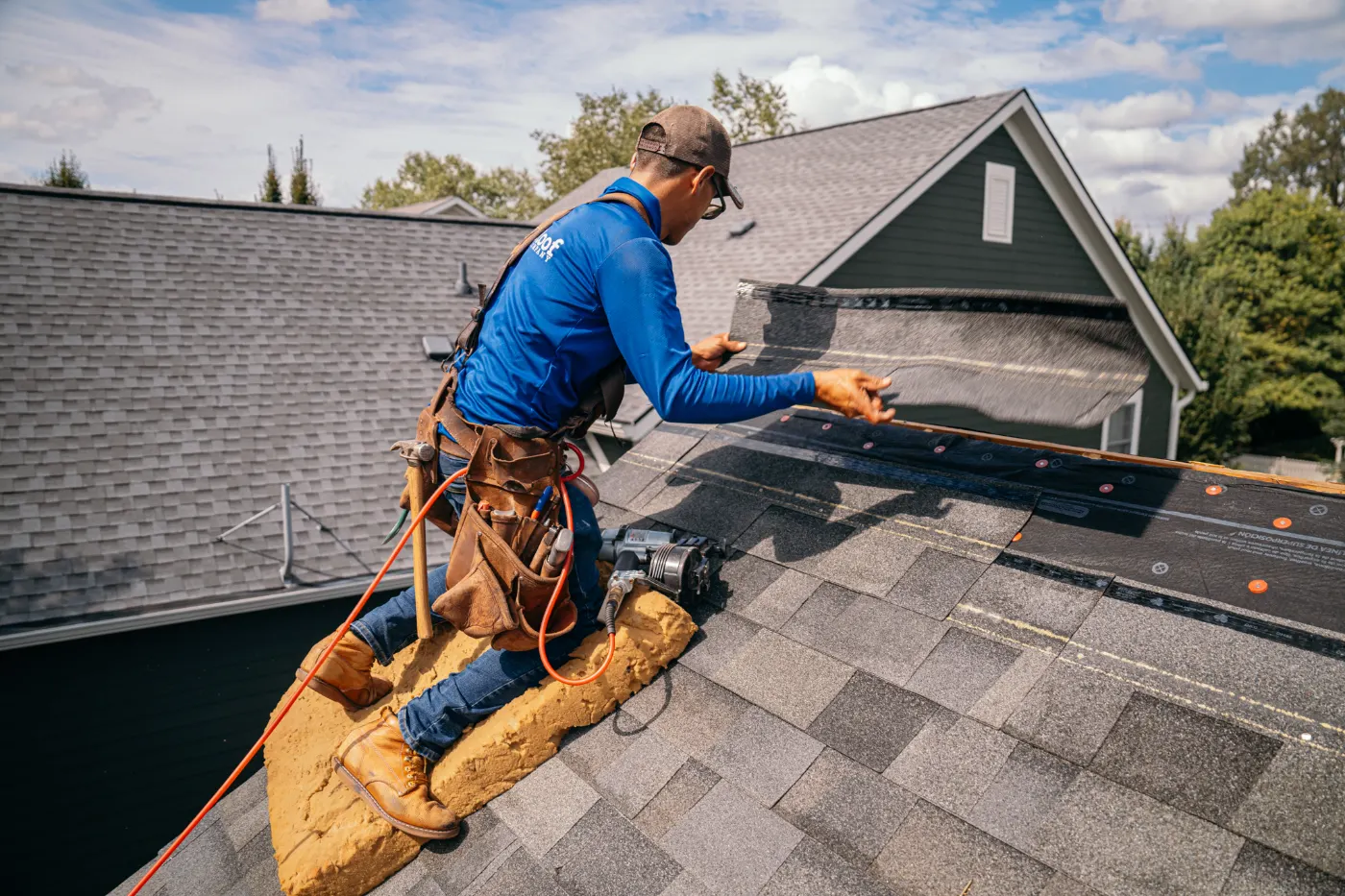
Storm Damage Roof Repair in Springmill Crossing, IN
Springmill Crossing Roofing handles roofing for Springmill Crossing homeowners, from quick repairs after a storm to full replacements on aging original roofs. Licensed and insured in Indiana, we provide free inspections and written estimates so you know exactly what your roof needs.
If we're busy helping someone else and miss your call, we'll call you back within 15 minutes.



Roof trouble in Springmill Crossing? Springmill Crossing Roofing starts in the attic, documents what it finds, and quotes repair before replacement every time repair is real. Call (765) 978-3528.
- Services: roof inspections, roof repair, emergency roof repair, roof replacement
- Service area: Springmill Crossing, Hamilton, IN and surrounding areas
- Response: Springmill Crossing homeowners reach a person, and active leaks get same priority dispatch
- Licensed and insured (License #RC21100059)
- Serving Springmill Crossing, IN since 2018
Schedule Your Free Roof Inspection
A roof inspection in Springmill Crossing is more than a quick look from the driveway. Our crew gets on the roof and checks shingle condition, flashing around chimneys and vents, valleys, ridge caps, drip edge, and the soft metals that hail tends to dent first. We look for granule loss, cracking, lifted or missing shingles, nail pops, and the subtle bruising left by hail that an untrained eye will miss. Everything gets photographed and documented so you can see exactly what we saw. Catching small problems early is the whole point, because a compromised piece of flashing or a handful of cracked shingles is a cheap fix now and an expensive one later. That is why free inspections in Springmill Crossing are worth doing on a schedule, not just after a storm.
I agree to be contacted by Springmill Crossing Roofing regarding my inquiry.
The wind rating on a Springmill Crossing shingle bundle is a promise with conditions. It assumes six nails placed in the zone the manufacturer drew, and a crew paid by speed finds every reason to use four. The roof looks identical either way until the first real gust, and by then the Hamilton homeowner is filing a claim on an installation problem wearing a storm costume.
Valleys get hand detailed on every Springmill Crossing Roofing roof, because they carry the concentrated water of two planes and forgive nothing. Membrane end to end beneath, cut edges sealed, debris paths considered before they load. When a Springmill Crossing roof leaks away from any penetration, the valley is the usual suspect, so ours get built like suspects that will be questioned. Across Hamilton, they hold up under interrogation.
Second layer on the roof and wondering what it hides? Springmill Crossing Roofing assesses Springmill Crossing layovers honestly: layers counted, deck read from the attic, and the tear off truth delivered with the numbers attached. Call (765) 978-3528. Across Hamilton, the overlay that saved money years ago now conceals everything that matters, and the assessment is how you buy back the visibility.
Payment Options That Work for You
Your Springmill Crossing Roofing project lead will walk you through every financing option during the assessment. Terms in writing, no pressure, no surprise charges.
Pay for your project at a later time, but lock in today's pricing. Ideal for homeowners waiting on insurance settlements.
- No payments for 12 months
- No interest if paid in full
- Lock in current pricing today
Divide your project cost equally across 12 months with zero interest. Most homeowners choose this option for predictable budgeting.
- Equal monthly payments
- 0% interest for 12 months
- Simple, predictable budgeting
Spread your investment over up to 20 years with fixed equal payments. The right choice for larger projects or homeowners who prefer lower monthly amounts.
- Up to 20-year terms available
- Fixed equal payments
- Ideal for larger projects
Financing provided by Slice, Foundation Finance, Regions. Subject to credit approval. Rates, terms, and promotional periods are set by the lender and disclosed in writing before you sign.
Every Roofing Service We Offer in Springmill Crossing
Whether the job is an inspection, a repair, or a complete replacement, Springmill Crossing Roofing sends manufacturer-certified crews and documents the work clearly.
Roof Inspections in Springmill Crossing
Free on roof inspections for Springmill Crossing homes, with photo documentation of shingle condition, flashing, valleys, and any storm or age related damage. You get a written summary of what we found and what it means.
Learn moreRoof Repair in Springmill Crossing
Targeted repairs for Springmill Crossing roofs, covering damaged shingles, failed flashing, popped nails, boot leaks, and small storm damage. We fix the problem and check the surrounding area so the same issue does not come back next month.
Learn moreEmergency Roof Repair in Springmill Crossing
Fast response emergency roof repair for Springmill Crossing homeowners dealing with active leaks, storm damage, or wind torn shingles. We tarp, seal, and stabilize the roof to stop further damage, then schedule the permanent repair.
Learn moreRoof Replacement in Springmill Crossing
Full Springmill Crossing roof replacement including tear off, decking inspection, underlayment, flashing, and new shingles or panels. You get a clear scope, a firm written estimate, and a workmanship warranty on the finished roof.
Learn moreDesigner Roofing in Springmill Crossing
Designer roofing options for Springmill Crossing homeowners who want something beyond standard architectural, including premium shingle profiles and metal accents. Good fit for homes with strong curb appeal goals or HOA architectural review to satisfy.
Learn more
Local Expertise, Real Results
Valleys, step flashing, and pipe boots are where roofs leak, so that is where the extra hour goes.
Every Springmill Crossing Roofing roof in Springmill Crossing starts with a free inspection and a written scope, and ends with a photo-documented walkthrough and a warranty registered in your name. The middle is manufacturer-spec installation, photographed as it happens.
Springmill Crossing Roofing serves Springmill Crossing and the surrounding Hamilton County neighborhoods with straightforward roofing work. Founded in 2018 by Aaron Christy, who has been featured on FOX59, WISH TV, and RTV6, the company has spent years on roofs across central Indiana, from Carmel to the wider Hamilton County suburbs. Our crews are local, licensed, and insured, and we hold Indiana license RC21100059. Whether you own an original 1980s colonial on a shaded interior street of Springmill Crossing or a home in one of the newer pockets nearby, you get the same careful attention and clear communication from start to finish.
The way we work in Springmill Crossing is simple. Every job starts with a thorough on roof inspection, and we document what we find with photos so you can see the condition of your shingles, flashing, valleys, and penetrations for yourself. From there you get an honest written estimate with a clear scope, no filler line items, and a plain explanation of what needs to happen and why. On the roof, our crews work cleanly, protect landscaping and driveways, and treat the final walkthrough as part of the job, not an afterthought. No inflated promises, just careful roofing.
Our Promise
Every Springmill Crossing homeowner who calls Springmill Crossing Roofing gets three things. First, a free on site inspection before any work is discussed, with photos of what we find. Second, an honest written estimate that spells out the scope, the materials, and the price, with transparent line items added later. Third, clean workmanship on the roof backed by a workmanship warranty and the standard manufacturer coverage on the shingles or system you choose.
More Than the Lowest Springmill Crossing Bid
Transparent pricing, careful inspections, and materials that last, for homeowners in Springmill Crossing and Hamilton.
Storm And Hail Response
When severe weather rolls through Hamilton County, we prioritize inspections for homeowners with visible damage. Our crews know what hail bruising and wind lift look like on asphalt shingles, and we document everything with photos. You get a clear picture of what happened and what it will take to fix it.
Built For Springmill Crossing Roofs
Springmill Crossing homes tend to have steeper pitches, multiple dormers, and complex valleys typical of late 1980s colonials. We have worked on plenty of them, so we know the trouble spots. That local familiarity means fewer surprises and a scope that actually fits your roof.
Inspection Through Completion
We handle roofing from the first walkthrough to the final cleanup. That includes inspections, repairs, emergency tarping, full replacements, and designer roofing options. One crew, one point of contact, one honest scope for the whole job.
Insurance Documentation Done Right
For Springmill Crossing homeowners filing a storm claim, documentation is everything. We photograph the damage, note the failure modes, and put it all in a written report your adjuster can actually use. You stay in control of the claim while we handle the roofing side.
Real Jobs. Real Results.
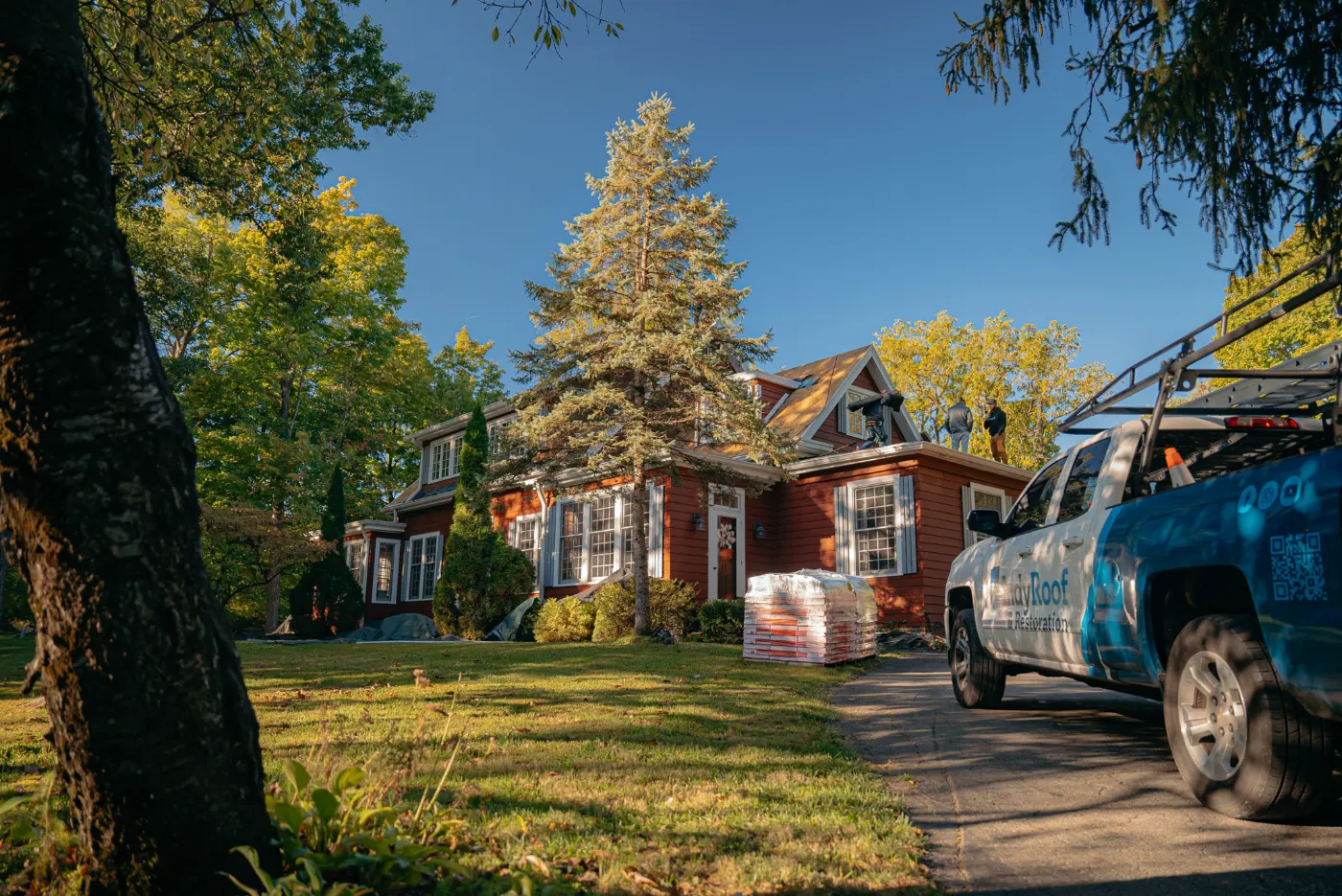
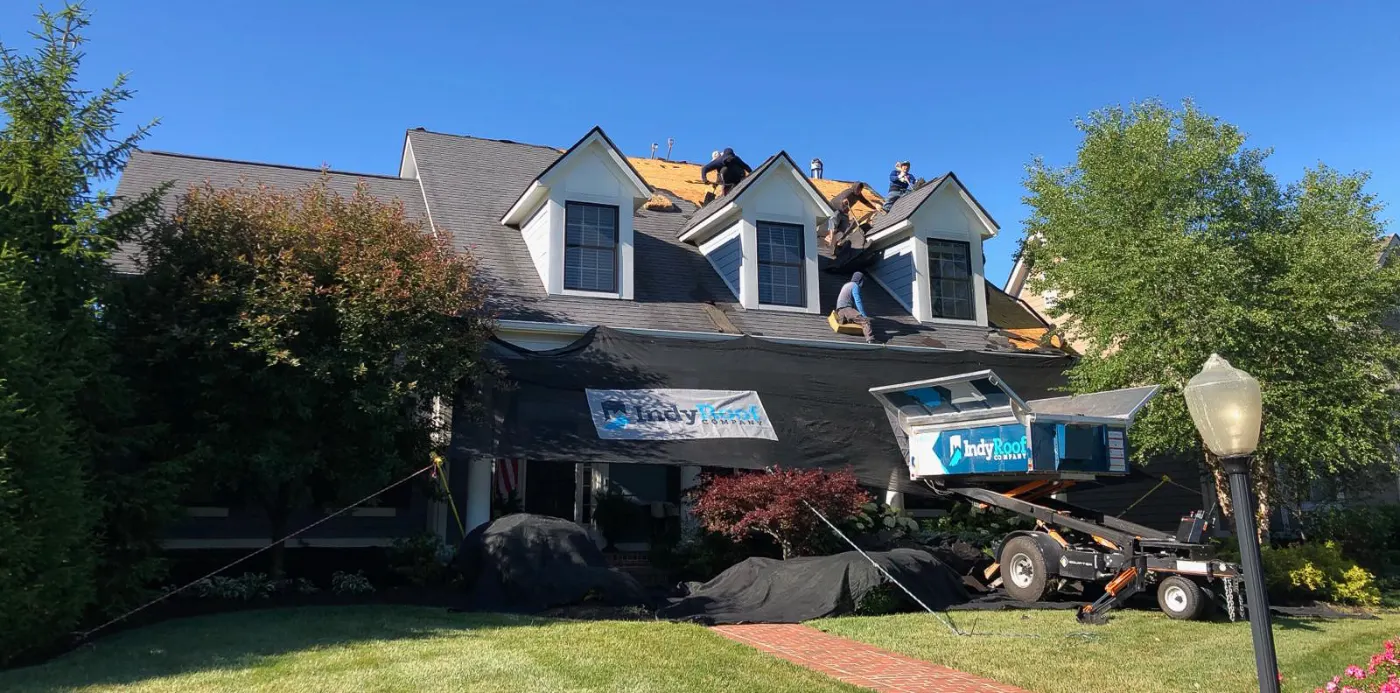
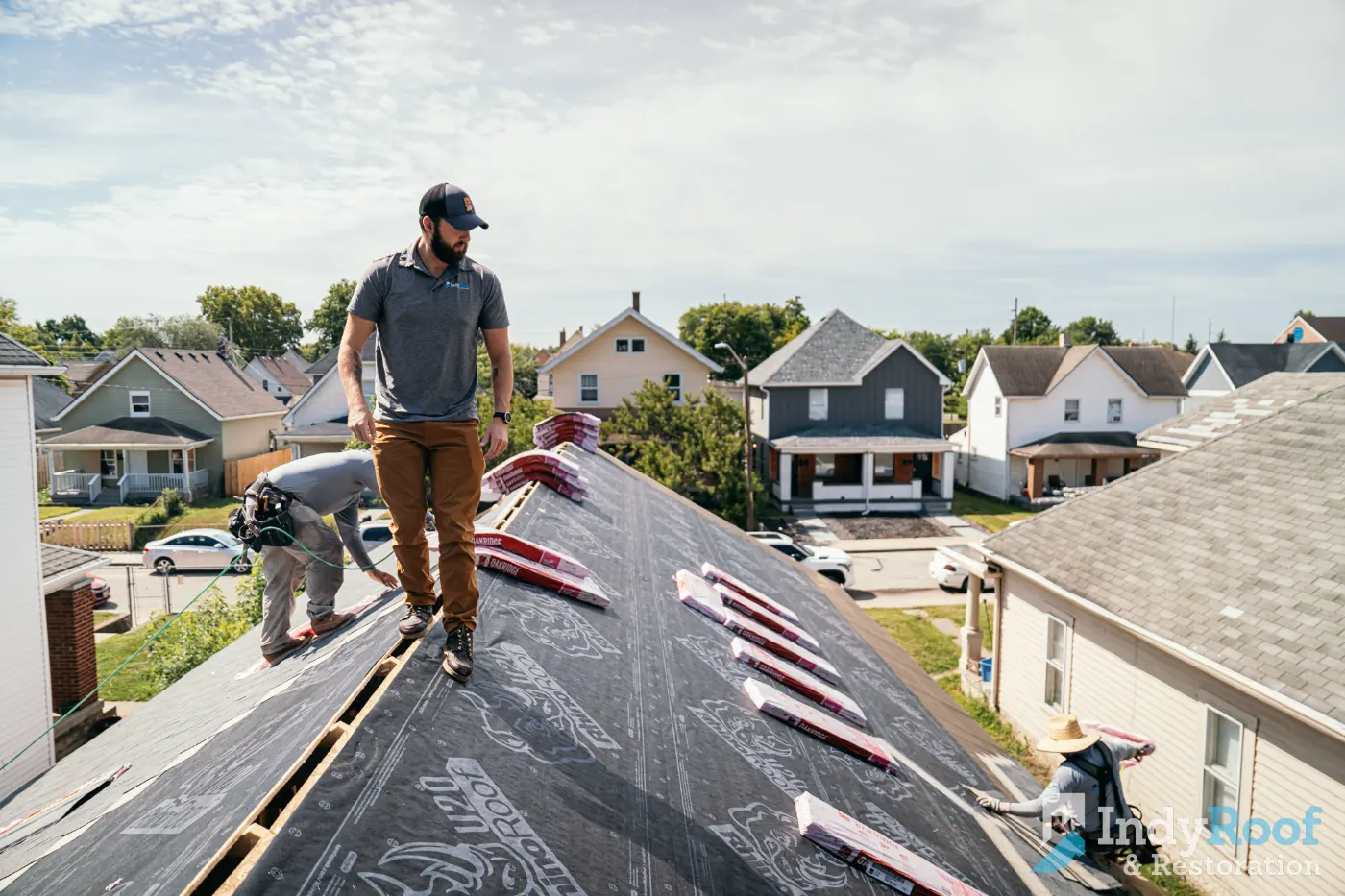
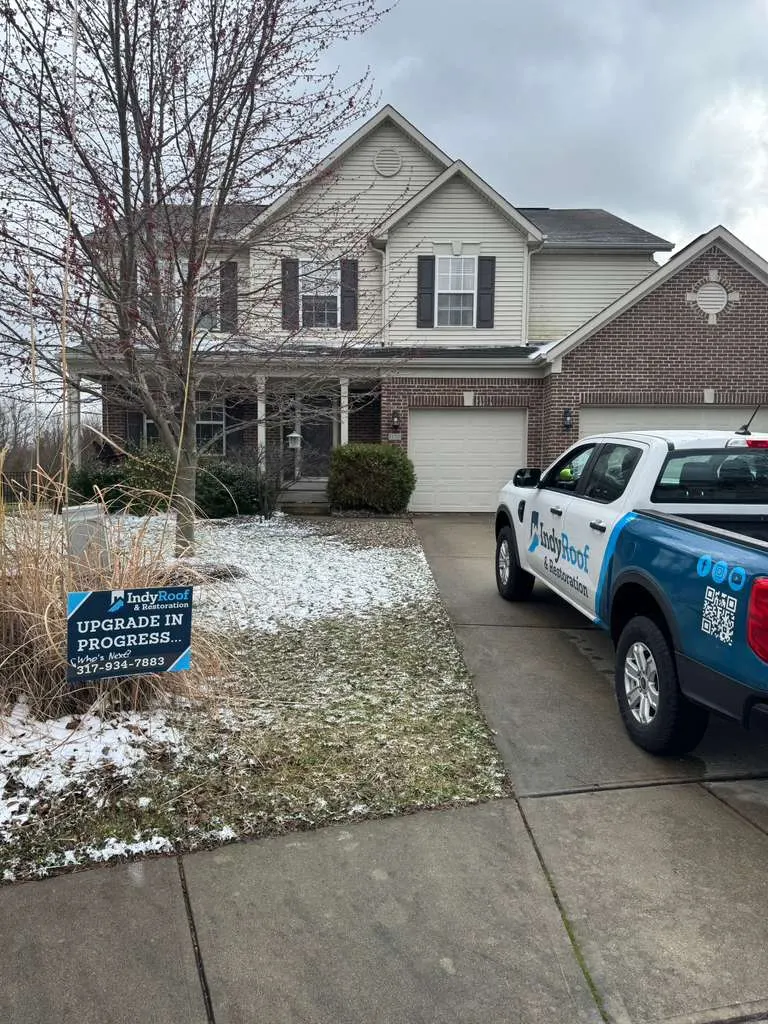
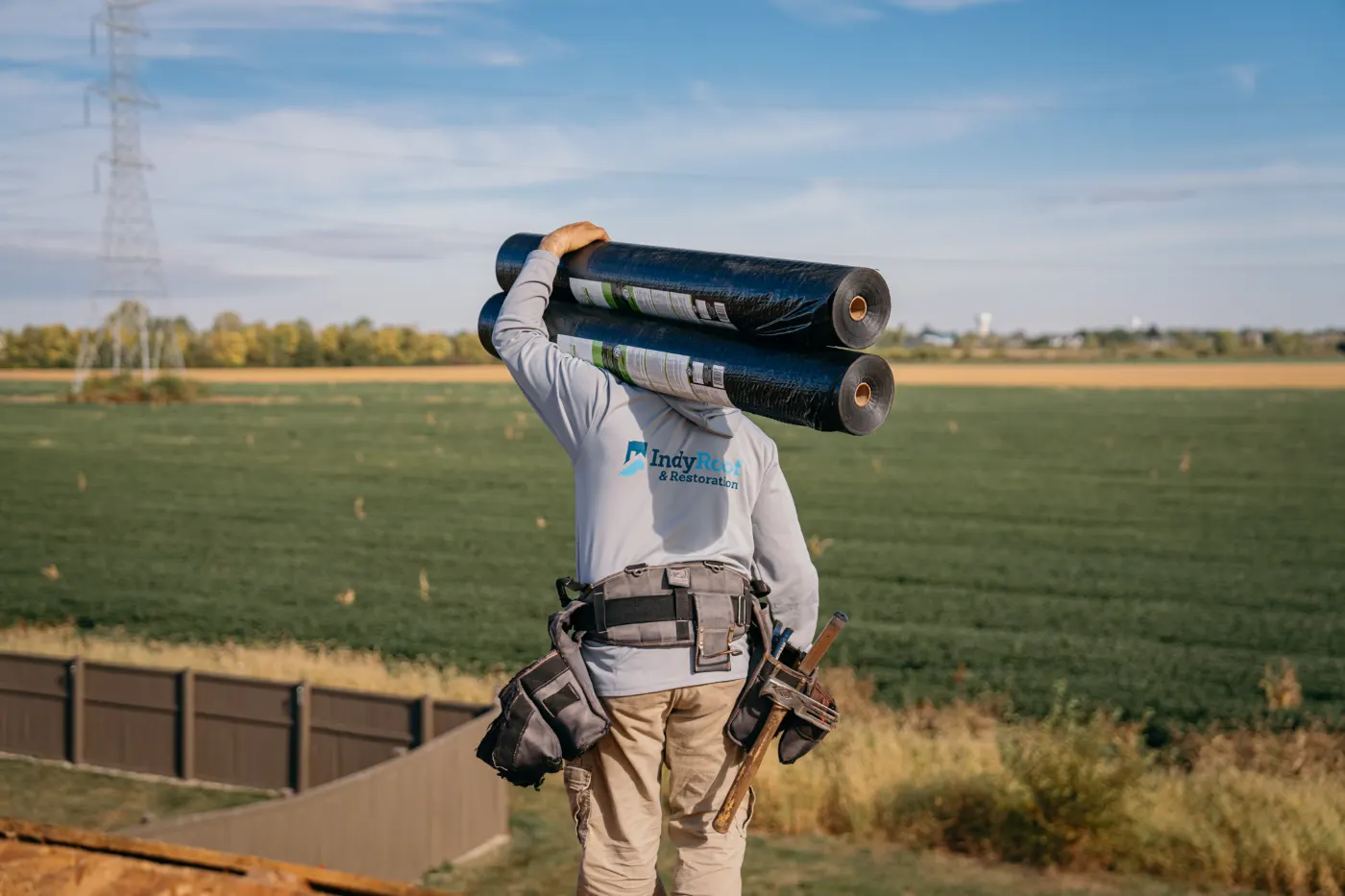
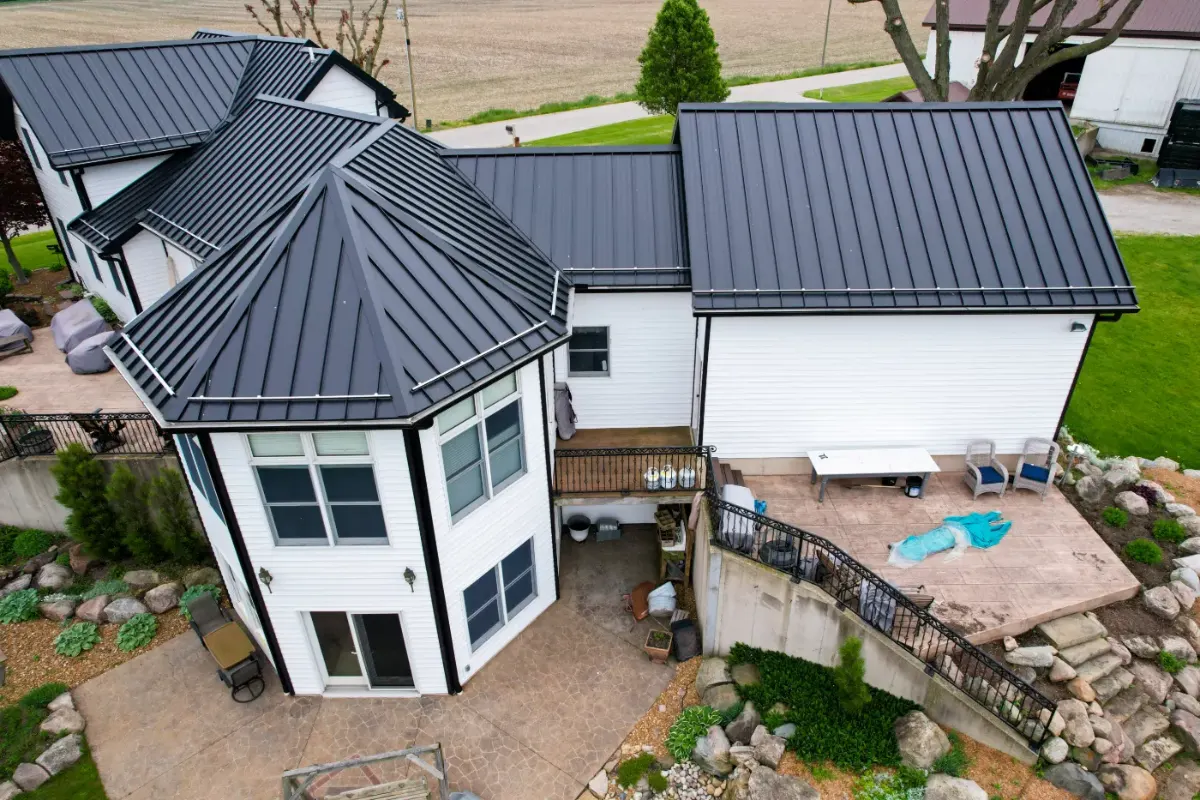
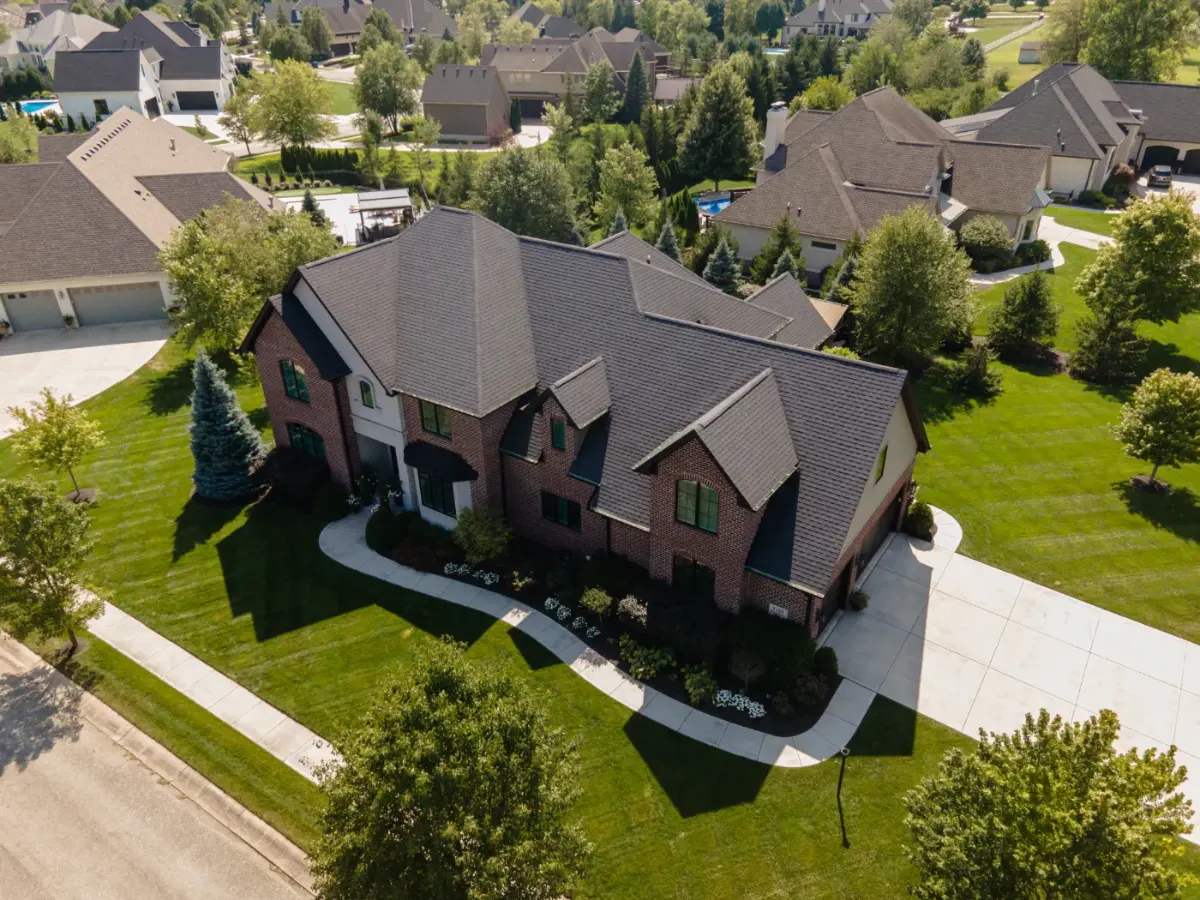
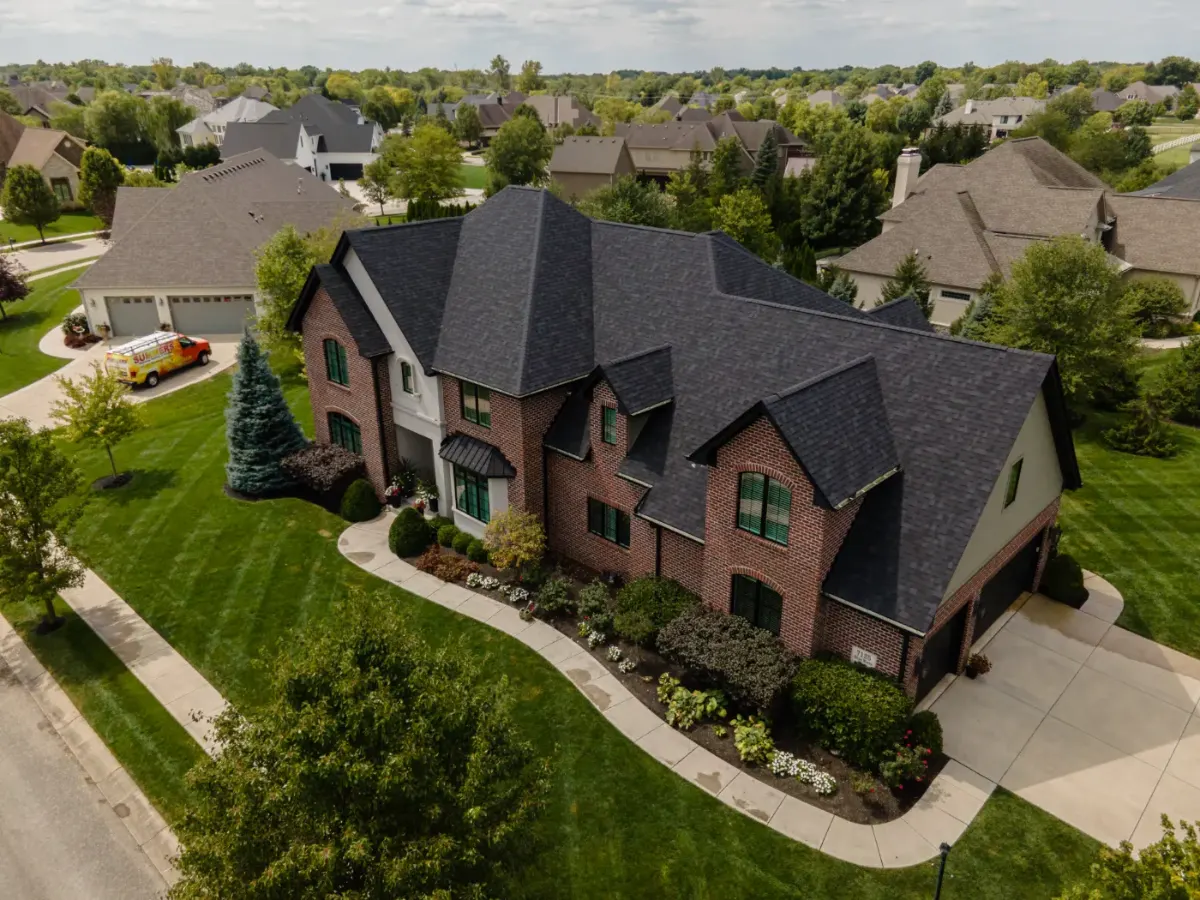
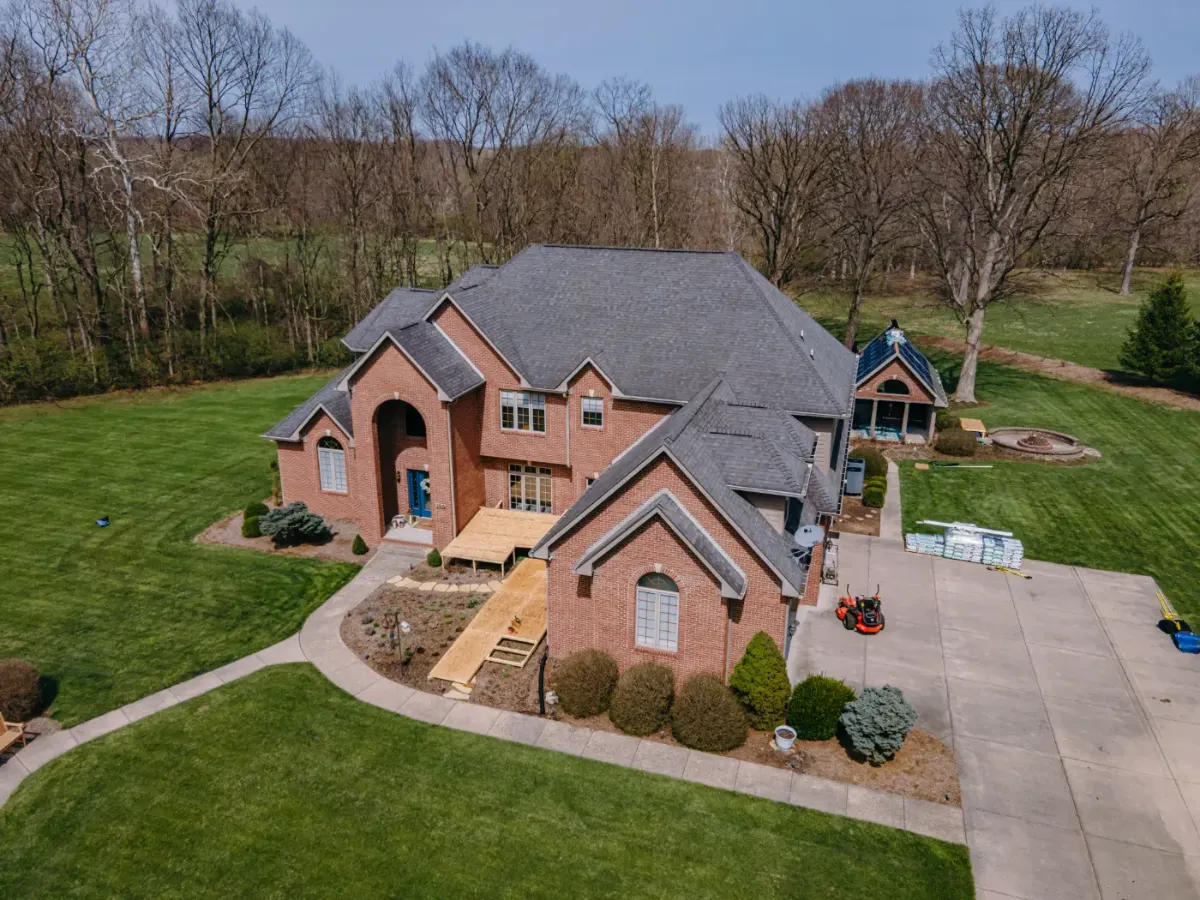
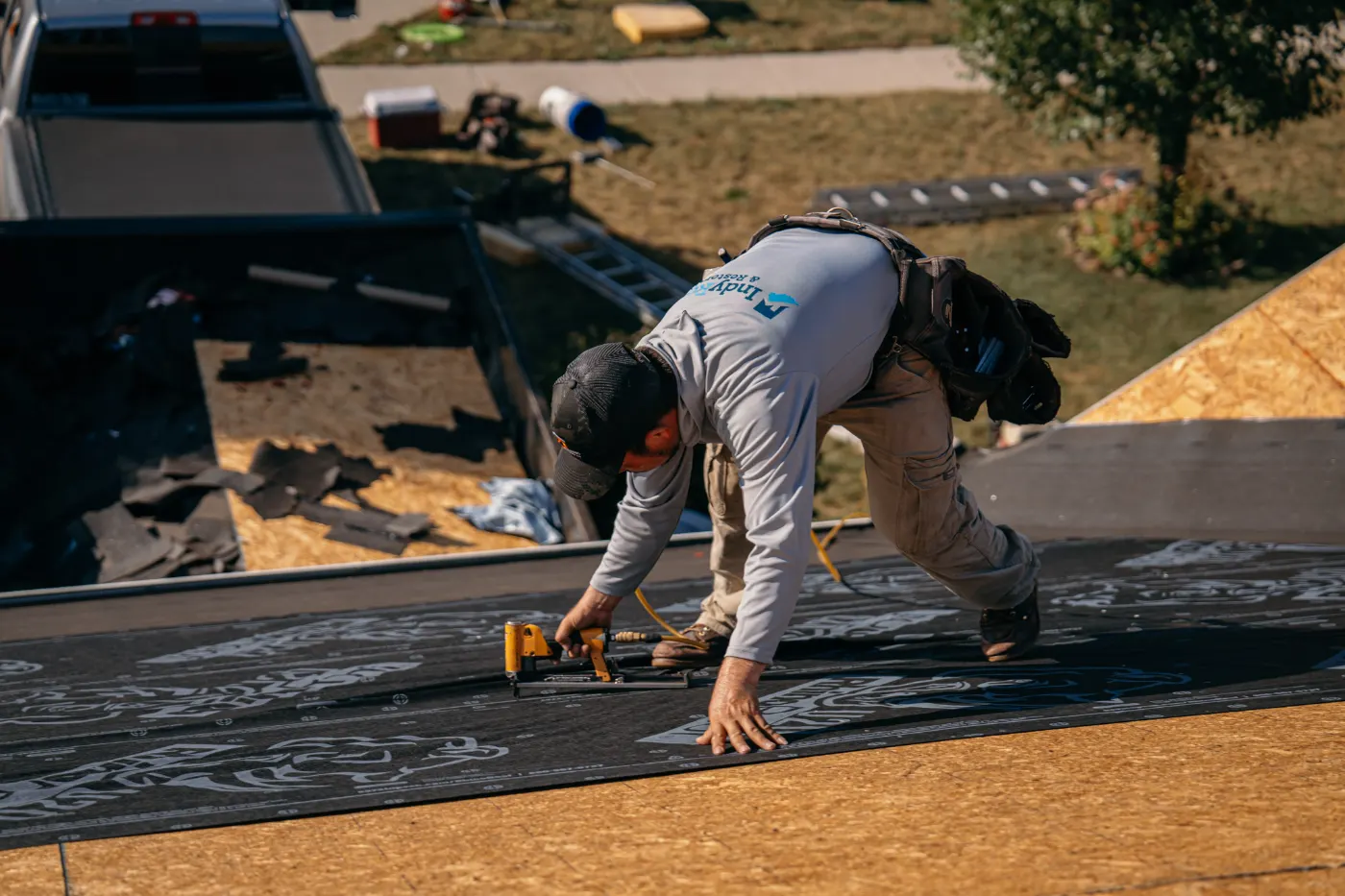
Photos from recent roofing projects completed by our manufacturer-certified crew across Springmill Crossing and Hamilton. Every project is documented with photos and a written closeout package.

What Comes First on a Springmill Crossing Roof
Every project in Springmill Crossing starts with an on site inspection. A crew member walks the roof, checks the shingles, flashing, valleys, penetrations, and gutters, and photographs anything that looks like storm damage or age related wear. We share the photos and talk through what we found in plain language before anyone talks about scope or price. If the roof only needs a targeted repair, we say so. If it is at the end of its service life, we explain why and what your options look like. Either way, you get a clear picture before any decisions are made.
Once the inspection is done, we put together an honest written estimate for your Springmill Crossing home. The scope is spelled out line by line, the materials are named, and the price is what the price is, without hidden add ons showing up later. If your roof has legitimate storm damage, we help you document it properly for a claim and can meet your insurance carrier's adjuster on the roof to walk through what we found. works with your insurance carrier and we do not speak for them, but we do make sure nothing gets missed.
When it is time to do the work, we schedule the job around your calendar and the weather. The crew shows up ready, protects landscaping, siding, and driveways, and works cleanly through tear off, underlayment, flashing, and shingle installation. Magnetic sweeps catch stray nails before anyone leaves. When the roofing is done, we walk the property with you, review the finished work, and answer questions on the spot. Springmill Crossing homeowners get a completed roof, a clean yard, and paperwork covering the workmanship warranty and manufacturer coverage on the materials.
Free Inspection With Photos
We climb the roof, check the shingles, flashing, and valleys, and document everything with photos. You see what we see before any estimate is written. No obligation, no pressure.
Honest Written Estimate
Every Springmill Crossing estimate is written out with a clear scope, named materials, and a firm price. Transparent line items appear later. You get time to read it and ask questions.
Insurance Documentation
For storm claims, we photograph the damage and write it up so your insurance carrier has what it needs. We can meet the adjuster on the roof. works with your insurance carrier, and the claim stays yours.
Clean Work, Final Walkthrough
The crew protects your property, works cleanly, and runs magnetic sweeps for nails. When the roof is finished, we walk it with you and review the paperwork. Nothing gets left half done.
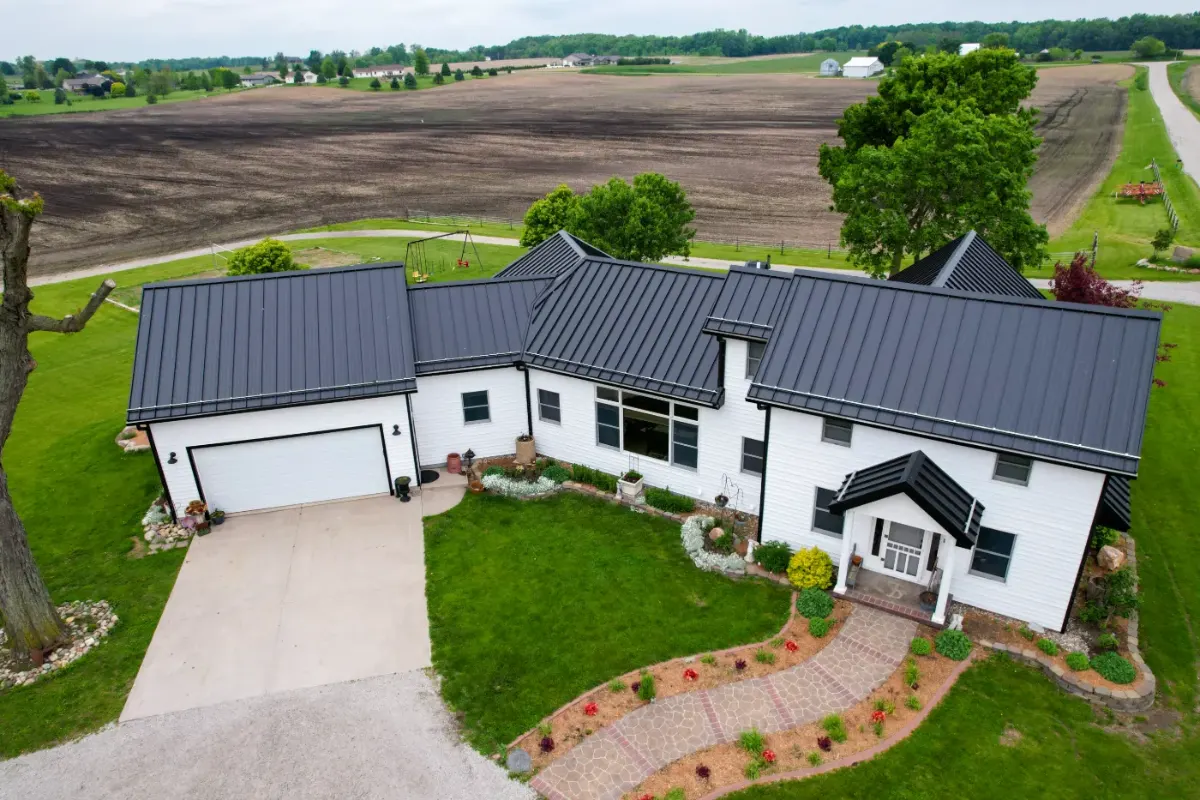
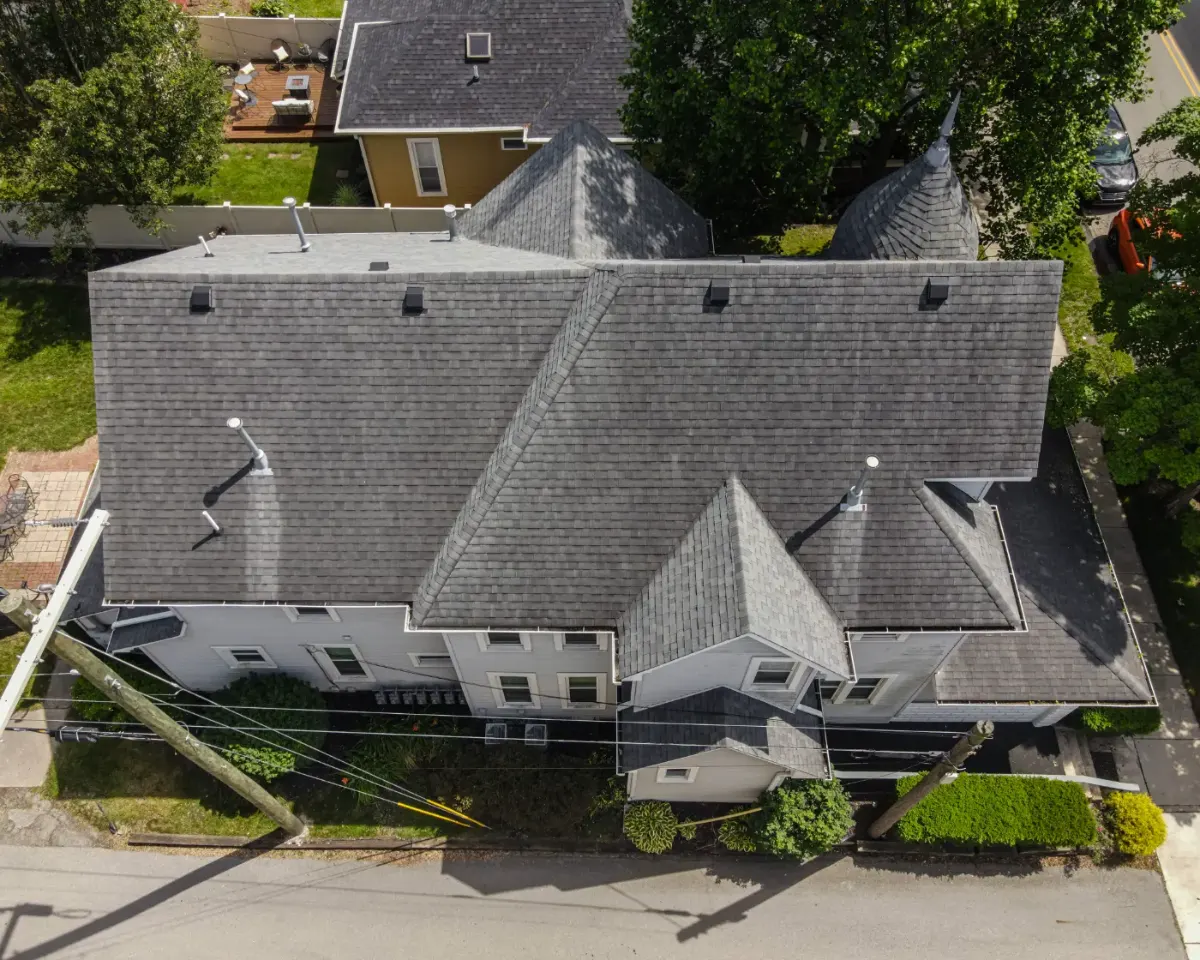
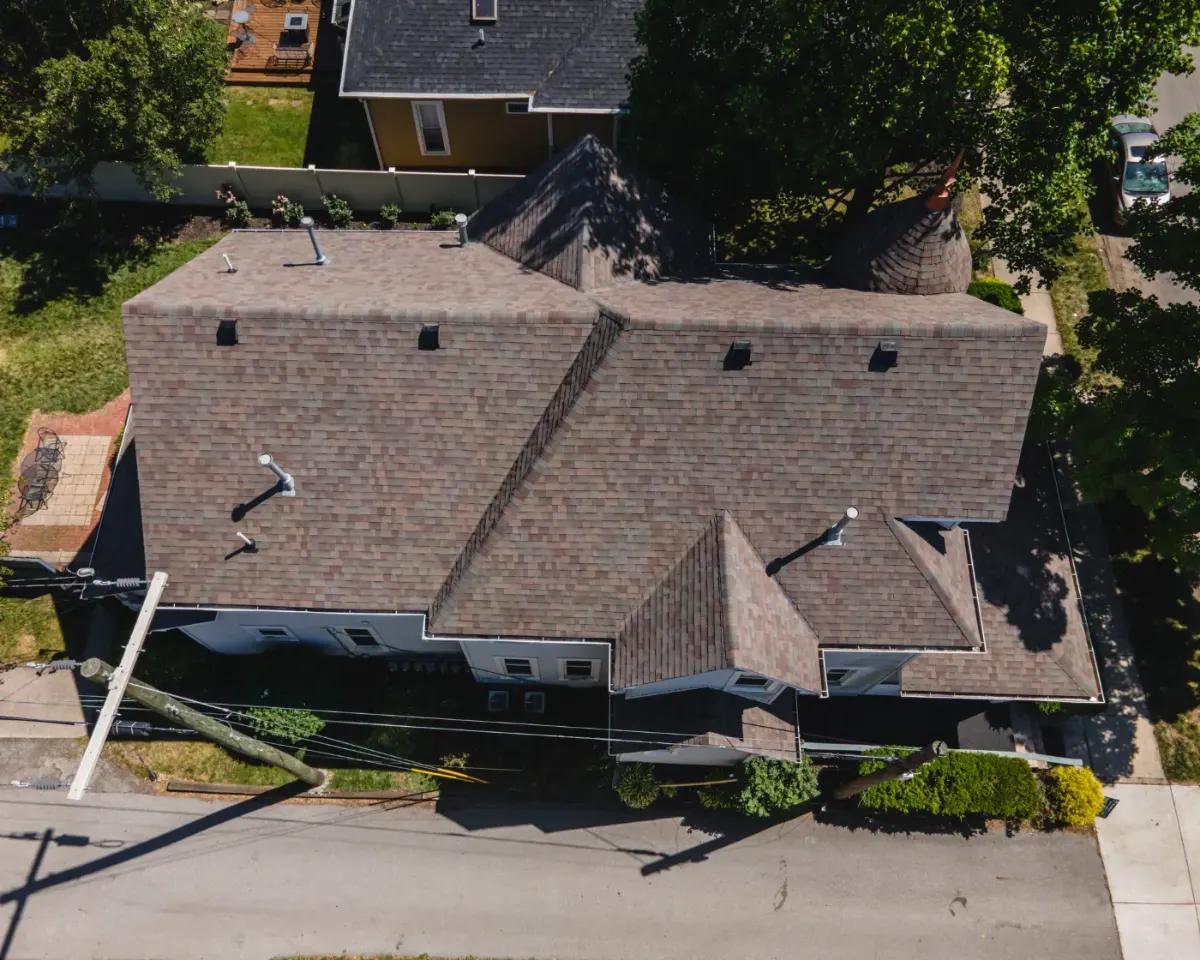
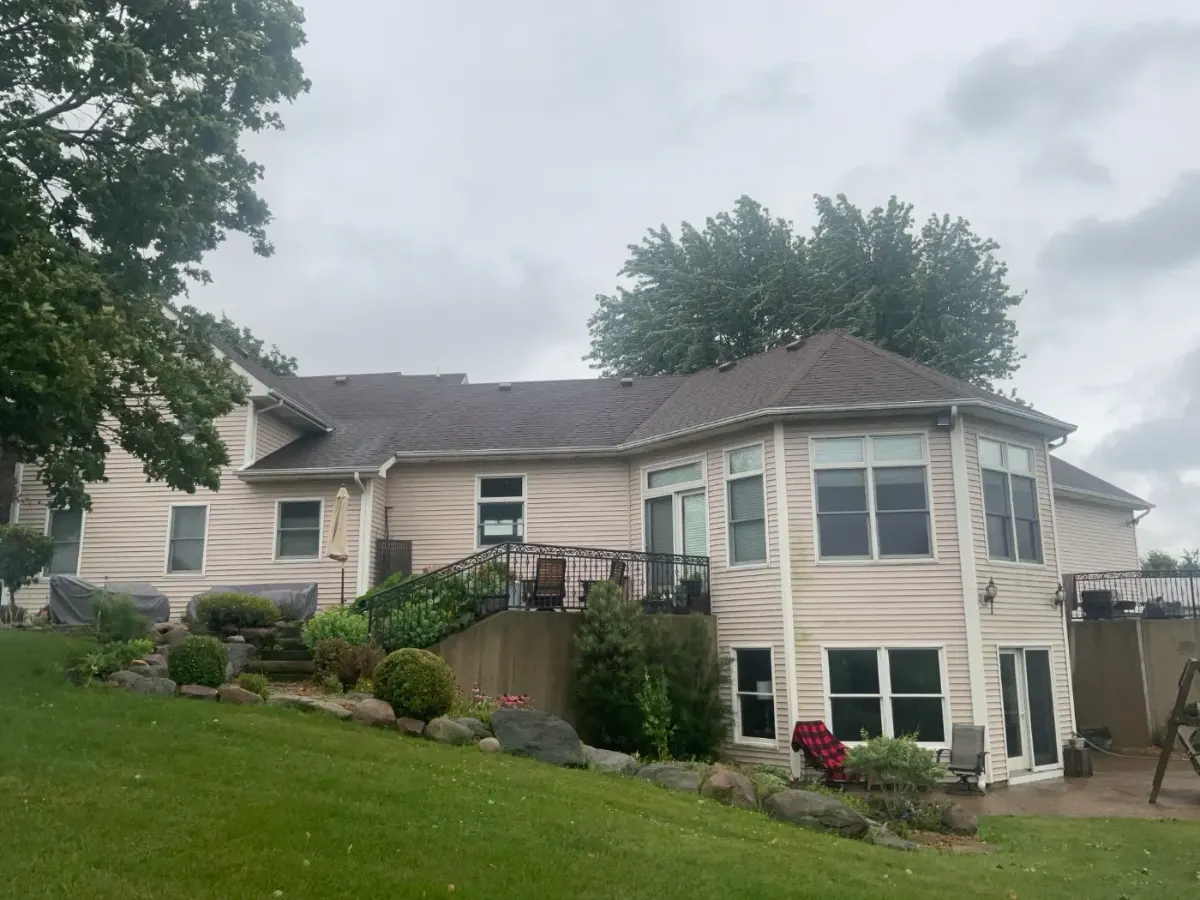
Recent Springmill Crossing Roofing Projects
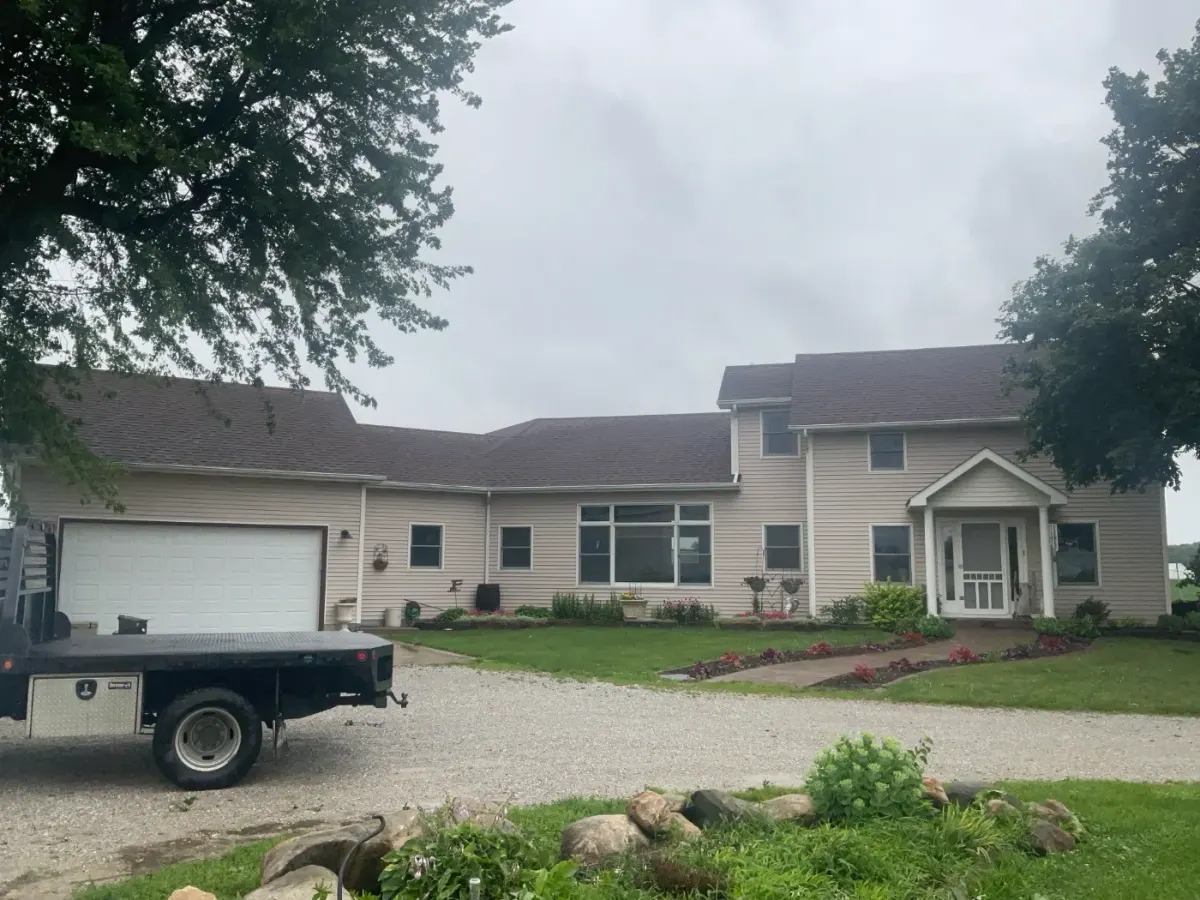
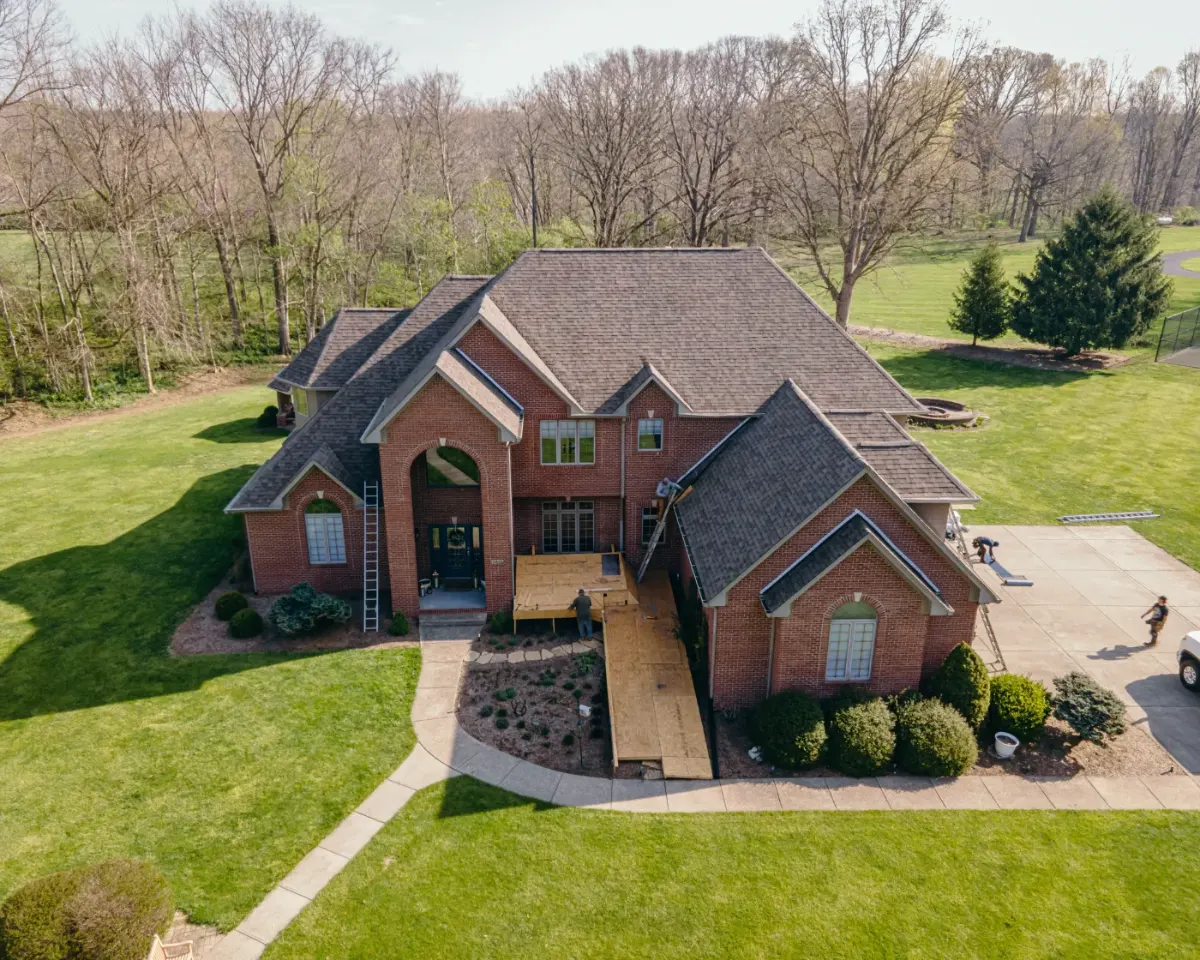
5 before-and-after projects documented for the homeowner and the homeowners insurance carrier.
What we see most often on Springmill Crossing roofs
Springmill Crossing homeowners typically call us about these scenarios.
Algae Streaking on the North Slope
Those black streaks running down shaded Springmill Crossing slopes are airborne algae feeding on the limestone filler in the shingle mat. They are cosmetic at first and hold moisture against the surface over time. Springmill Crossing Roofing tells you plainly whether the roof needs cleaning, algae resistant shingles at replacement, or nothing at all yet.
Missing or Lifted Shingles
A few missing tabs after a Springmill Crossing wind event usually mean the surrounding shingles broke their seal too, including the ones still lying flat. Spot replacing only what blew off leaves the slope open to the next front. Springmill Crossing Roofing checks seal integrity across the whole area and quotes the repair that actually holds through the next season.
Gutters Pulling Away From the Fascia
When gutters sag in Springmill Crossing, the usual cause is not the gutter. It is fascia board that has softened because water has been running behind it. Springmill Crossing Roofing checks the fascia and the drip edge before quoting gutter work, because rehanging a gutter on rotten wood buys you one season.
Step Flashing at Dormers and Sidewalls
A single strip of flashing tucked behind the siding is the shortcut version of a sidewall detail. From the driveway it looks fine, and behind the wall it holds water until the framing rots. The correct build uses individual L-shaped pieces woven into each shingle course, which is how Springmill Crossing Roofing rebuilds it, plus a kick-out at the bottom edge that drops runoff into the gutter.
Debris Packing Into the Valleys
Valleys carry runoff from two slopes at once, so anything that slows the water there matters. Leaves and needles pack in over a Springmill Crossing winter, washed-down granules cement the pile together, and the backed-up water works sideways under the shingle laps until it finds the deck. Springmill Crossing Roofing clears the valleys during the inspection and tells you whether the metal underneath is worn through or just dirty.
Wind Damage Along the Roof Edges
Rakes and eaves take the highest uplift in a Springmill Crossing wind event, which is why damage starts at the perimeter and works inward. Starter course and drip edge decide whether the field holds. Springmill Crossing Roofing inspects the edges first after a storm and documents lifted starter before it becomes missing field shingles.
Three Simple Steps
Discipline shows up at every stage of a Springmill Crossing Roofing project, beginning with the free inspection and carrying through completion.
Free Inspection
The roof gets reviewed, conditions get photographed, and the findings come back to you in plain, practical language. You pick the time the inspection happens.
Transparent Estimate
Each recommended item is written out along with what it does for your property. No pressure comes with it. Take the time you need while we explain the options.
Quality Installation
Crews who work attentively, follow consistent timelines, and respect your property. Manufacturer warranty registration handled in your name.
Springmill Crossing Homeowners on the Certification
4.9 stars across 2,307+ Google reviews.
"Designer profile install for the curb appeal upgrade we wanted on our exterior update. The visual depth is exactly what we were hoping for. Quality install with attention to the architectural details that matter on this profile."
"Designer shingle install with Class 4 impact rating. They walked us through what the rating does and does not cover and told us to ask our agent about the policy side. The math made sense and the curb appeal is a bonus."
"Hail damage replacement, insurance accepted their documentation without question, install completed on schedule. Manufacturer warranty registered in our name. Clean process."
Answers Before You Pick a Shingle
Straight answers to the questions Springmill Crossing homeowners ask most.
Indiana Weather Affects Roofs Year Round
Few states get weather as varied as Indiana. Over a year, Springmill Crossing homeowners see hail and hard thunderstorms in spring, UV beating down all summer, wind storms arriving in fall, and winter bringing freeze thaw cycles. We plan maintenance, repairs, and replacement work around those patterns.
Hail Bruising On Shingles
Hamilton County springs regularly deliver hail large enough to bruise asphalt shingles, cracking the mat under the surface without leaving an obvious hole. Those bruises shorten shingle life and open the door to leaks months later. When Springmill Crossing homeowners call us after a hail event, we inspect the roof, document each impact, and put it in writing for your records or a claim.
Wind Lift And Tear Off
Severe thunderstorms across central Indiana push wind gusts strong enough to lift shingle tabs, break their seal, and tear whole courses off ridges and edges. Once a shingle is unsealed, water gets under it on the next rain. Our crews check seal lines, ridge caps, and edges after wind events and replace what has failed.
Ice Dams In Winter
Indiana winters bring the freeze thaw pattern that builds ice dams along Springmill Crossing eaves, backing water up under the shingles and into the decking. The damage often shows up as stained ceilings inside long before anyone spots the ice outside. We inspect for compromised underlayment, ice and water shield gaps, and ventilation issues that make dams worse.
Granule Loss On Aging Roofs
Older asphalt roofs shed granules as they age, and you can see the evidence piling up in gutters and downspouts. Once granules are gone, the asphalt below bakes in the sun and cracks fast. If your roof is showing bald spots or heavy gutter grit, we can inspect it and tell you honestly whether targeted repairs will hold or it is time to plan a replacement.
Choosing the Right Roof for Springmill Crossing Homes
An honest breakdown of the three systems we install most frequently.
Architectural asphalt shingles are the most common choice for Springmill Crossing roofs, and for good reason. They offer a strong balance of price, curb appeal, and dependable weather performance across Indiana's mix of hail, wind, and freeze thaw. The dimensional profile gives a shadow line that looks right on the two story colonials common in the neighborhood, and you get a wide color range to work with when an HOA architectural review is part of the picture. Manufacturers back these shingles with strong limited warranties, and installed properly they hold up well for decades. For most homeowners here, this is the tier that makes the most sense.
Class 4 impact resistant shingles are built specifically to handle the hail that bruises and cracks standard asphalt. That matters in Springmill Crossing, where spring storm season brings hail through Hamilton County most years and summer thunderstorms add more risk. The reinforced mat and modified asphalt resist impact better, and the granules tend to stay put longer, extending the useful life of the roof. Upfront cost is higher than standard architectural, but many homeowners find it worth it. Ask your insurance carrier whether your policy offers a premium credit for a Class 4 roof, since some do and some do not.
Standing seam metal is the longest lasting of the three tiers, with a service life that often stretches past fifty years when installed correctly. The concealed fasteners eliminate the exposed screw failure common on cheaper panel systems, and the smooth surface sheds snow and ice well through Indiana winters. Upkeep is minimal, and the panels shrug off wind and hail that would chew up asphalt. The tradeoff is honest: upfront cost is meaningfully higher than architectural asphalt. What you are buying is decades of low maintenance and a roof you likely will not think about again for a very long time.
What Springmill Crossing Roofing Handles in Springmill Crossing
Roof Inspections
If wind or hail has come through Springmill Crossing, an inspection is the step before any claim. We look for the bruising, creasing and impact marks an adjuster is trained to find, and we photograph each one with a reference so its location is obvious. Then you decide.
Filing isn't automatic, and we will say when damage looks too light to be worth the deductible. When it is worth filing, you hold documentation dated before the claim, which makes the conversation with your carrier shorter and a good deal less frustrating.
Roof Inspections in Springmill Crossing ›Roof Repair
A repair visit begins with finding the actual source, which is rarely straight above the wet spot. Water travels along rafters and decking before it drops. So we work outward from the stain: nail pops, split boots around plumbing vents, lifted step flashing at a wall, a valley worn through, cracked sealant along the ridge.
We check the shingles surrounding the failure too, because a patch ringed by brittle field will fail again by spring. Then we say what has to be fixed and what can honestly wait on your Springmill Crossing home.
Roof Repair in Springmill Crossing ›Emergency Roof Repair
The trigger is usually something you can hear or see from inside. A steady drip in a room that has never leaked. A brown circle spreading across the ceiling while you watch.
A crack and a thud during a storm, then a draft that wasn't there before. Sometimes a neighbor knocks and points up at your roof. Any of those means the outer layer has been breached.
Please don't climb up to check, especially on a wet roof. Call, describe what you see, and let someone with proper footing look at your Springmill Crossing home.
Emergency Roof Repair in Springmill Crossing ›Roof Replacement
The decision usually gets forced by something. A leak returns for the third time in one wet spring. An inspection during a home sale turns up an aging roof and the buyer wants it addressed.
A storm takes enough shingles that patching no longer makes sense. Or you look up from the driveway one afternoon and notice the roof looks tired next to everything else on the block. All of those are reasonable starting points, and none of them require you to decide anything on the day we visit your Springmill Crossing home.
Roof Replacement in Springmill Crossing ›Designer Roofing
When this roof is finished, the difference shows from the street rather than up close. Shadow lines fall across the planes and the roof reads as one surface instead of rows of tabs. We walk the outside with you from several angles and distances, because that is how the roof will actually be seen.
You receive the invoice, the warranty registration and pictures of the details at ridge, valley and wall. Afterward it asks little of a Springmill Crossing homeowner beyond keeping gutters clear and calling if something looks wrong. Send us a picture from the sidewalk if you ever want a second opinion.
Designer Roofing in Springmill Crossing ›Venting and Flashing on a Springmill Crossing Quote
Two line items on a roofing estimate deserve more attention than they usually get, because they are where the difference between a roof that lasts and one that disappoints tends to live. The first is ventilation.
It should appear as its own item, with the intake at the soffit and the exhaust at the ridge listed separately, along with what's being added or corrected. If a quote simply says vents included, nobody has looked at whether your attic is balanced, and installing new material over a starved attic is how a roof ages out early.
Getting it right sometimes means work that's not glamorous. Cutting the ridge slot to the proper width, adding baffles at the eave so the insulation stops short of the vent, opening up soffit that was painted shut, or removing a powered fan that has been fighting the ridge vent for years. All of that's modest money next to the roof itself and it belongs in front of you as a decision you get to make, never buried in a lump.
Flashing is the other one. It should be itemized by location: the chimney and whether the counterflashing is being cut into the mortar joints or reused, every wall the roof runs into and whether new step flashing is going in course by course, the kick-out at the bottom of each of those walls, the collars on the plumbing stacks, the drip edge at eaves and rakes, and the valley treatment. Each of those has a right way and a fast way.
The reason to insist on the detail is simple. Almost every leak we chase on a roof that's not worn out comes from one of those transitions rather than from the field of shingles. Material is what people shop for, but flashing is what keeps the water out, and a quote that treats it as an afterthought is telling you how the work will be done long before anybody shows up at your house.
Why a Fall Look Pays for Itself
If you only have somebody up on your roof once, make it the fall. Everything that is about to be tested by winter is visible then, and every one of those items is cheaper to address while the weather is still mild.
A cracked collar around a plumbing stack is a quick job in October. The same collar in January, with a stain spreading on a bedroom ceiling, becomes an emergency call, a temporary patch, and then the real repair when it warms up.
A fall inspection is looking for a specific set of things. Sealant at the chimney and any sidewall, since those joints spent the summer expanding and contracting. Fastener condition and lifted tabs, which wind will find as soon as the systems start rolling through.
Valley wear, because valleys carry the melt in the spring and take the most abuse. And the gutters, which need to be clear before the first freeze so meltwater has somewhere to go instead of pooling at the eave and turning into ice.
The attic half matters just as much in the fall. Insulation that has drifted or been compressed, eave vents blocked by that insulation, a bath fan blowing moist air into the space, or a hatch that doesn't seal are all things that create ice at the eaves once the snow arrives. Every one of them is easy to fix in mild weather and impossible to reach comfortably when the attic is freezing and full of blown insulation dust.
The honest reason we push this is that winter leak calls are miserable for everyone. We do them, and we get people dried in, but a temporary repair on a cold roof isn't the same as a proper one, and the homeowner ends up paying twice. An hour in the fall usually prevents that entirely, and if it turns out your roof needs nothing, that is worth knowing too before the first hard freeze arrives.
Get the Answers in Writing in Springmill Crossing
Every question worth asking is worth finding on paper afterward, because the conversation in your driveway isn't what governs the job. The estimate is. So after you have asked who is on the roof, look for the answer somewhere in the document, even if it only shows up as the name of the lead or a line saying the work will be performed by company crews instead of assigned out.
The deck answer should appear as an allowance, written as a rate per board or sheet with a quantity included and a clear statement of what happens beyond it. If a roofer tells you decking is included and the estimate says nothing about quantity, those two statements aren't the same, and the second one is what you'll be holding when the argument starts.
The same goes for the hidden damage conversation. It should exist as a paragraph describing how you get notified, how you approve, and that no additional work happens before you do.
Warranty terms need to be attached to the paperwork, and having them described out loud isn't the same thing. Ask for the workmanship terms as an actual document with the length, the exclusions, and the transfer provisions spelled out, and ask which material coverage applies to the system being installed. Verbal warranty length is worth nothing at all, and the difference between what people remember being told and what the paper says is where most of the bad stories start.
Cleanup, permits, payment timing and the daily schedule belong there too. It does not have to be a long document. A single page can cover the whole of it if the person writing it has done this enough times to know where the trouble comes from.
What you're really testing when you ask for things in writing is not the answer itself. It's whether the company is comfortable being held to what they told you, which is the only part of any of this you can rely on later.
Where Springmill Crossing Roofs Really Start Leaking
When a ceiling stains, the hole is rarely out in the middle of a slope. Water almost always gets in where the roof stops being a roof, which means anywhere something comes through it or runs up against it.
Chimneys lead the list every time. The metal that ties a chimney into the roof has two parts, one worked into the mortar joints and one laid over the shingles, and when somebody has replaced only the half they could reach, the upper piece is often a smear of sealant that gave out seasons ago.
Plumbing stacks come next. The rubber collar around a stack dries out and splits, usually on the side that takes the most sun, and the crack sits directly above an interior wall.
Kitchen and bath exhausts fail the same way, along with any mount that somebody drove straight through the shingles for a dish or a cable run. Every one of those holes was sealed on the day it was made, and sealant is the fastest aging part of the entire assembly.
Valleys and eaves make up the other pattern, and both come down to volume and ice. A valley concentrates water, so any lifted edge along it takes real pressure during a downpour. At the eave, meltwater that refreezes over the cold overhang builds a ridge of ice and backs water up under the courses above.
Neither of those situations needs a defect to start leaking. They just need enough water and a detail that wasn't done properly.
Tracking a leak takes patience, since water runs along rafters and follows nails a long way before it drops. A stain over the dining room can start well up the slope or even on the far side of a ridge. We look from inside first with the lights off, mark where the framing is actually wet rather than where the drywall is stained, and only then go up top with a fair idea of what we're hunting for.
What We Will Not Do at Your Front Door
After a bad storm, a lot of homeowners around here get knocks on the door from people they have never seen and will never see again. It has made everybody cautious, and rightly so. We schedule visits, we call before we head over, and the person on your roof can tell you where the office is and who owns it.
We'll not ask you to sign anything in order to be inspected. Some outfits hand you a form on the porch that reads like an authorization for an inspection and is actually a contract that binds you to them if a claim gets approved. Read anything you're handed on a doorstep, all of it, and if the person can't explain a paragraph in plain words, that tells you what you need to know.
We also won't price your roof against a clock. There's no figure that only holds if you sign tonight, no manager on speakerphone approving something special, and nobody will follow up more than a couple of times.
If the answer isn't now, that's a complete answer. Plenty of the roofs we build were quoted a year or more before the homeowner was ready.
While we're there, your property gets treated the way we would want ours treated. Ladder standoffs so the gutters don't get crushed, care around the landscaping, gates closed behind us if you have a dog, and nothing left in the driveway. If we move anything to get to an attic hatch, it goes back where it was.
None of this is remarkable in the slightest. It's simply how a visit ought to go, and it's worth saying out loud only because so many homeowners around here have had the opposite experience and now expect the worst from anybody in a work truck.
We would rather earn the job slowly than knock on a door and hope. If somebody does show up on your porch after a storm, ask them for a street address you could drive to on an ordinary Tuesday, and pay attention to how that conversation goes.
What Springmill Crossing Wants to Know First
Roof Crews Across Springmill Crossing Communities
We've roofed homes throughout Springmill Crossing and the surrounding communities. Select any neighborhood to read what working there has taught us.
Where we respond near Springmill Crossing
Indiana-licensed crews dispatched to Springmill Crossing and the closest surrounding communities.
Roofing Systems Compared in Springmill Crossing
Quick reference for the four residential systems we install most often. Pricing reflects typical Springmill Crossing installations.
Typical pricing in Springmill Crossing as of 2026 is what these ranges show. Upper numbers marked with a plus sign can go higher for your project, depending on inspection findings. There's no charge for a written scope and quote.
Springmill Crossing Roofing is powered by Indy Roof & Restoration
That backing is the difference between a website and a contractor. Indy Roof & Restoration is the contractor. They have been local to central Indiana since 2018, close enough to know Springmill Crossing block by block. That reputation is measurable: 4.9 stars across 2,307+ verified Google reviews and counting.
Licensed and insured · License #RC21100059
They carry Owens Corning Preferred Contractor, Malarkey Certified Contractor, BBB A+ Accredited and Google Google Guaranteed. You may have seen the team on FOX59, WISH TV, and RTV6.
Expert Springmill Crossing Roofing Crews Available Now
Whether you are staring at a fresh hail dent, a shingle laying in the yard, or a Springmill Crossing roof that has quietly aged past its service life, now is the right time to have it looked at. Book a free inspection with Springmill Crossing Roofing, no obligation, and we will document everything you need for your records or a claim.